
What is a Microgrid?
The traditional power grid is a centralized, monolithic system. When a major transmission line fails due to a severe storm or equipment malfunction, thousands—sometimes millions—of people lose power simultaneously. A microgrid offers a decentralized, localized alternative designed to enhance resilience, reliability, and the integration of renewable energy.
Fundamentally, a microgrid is a self-contained, localized energy system that incorporates multiple energy sources (like solar panels, wind turbines, or diesel generators), energy storage systems (like lithium-ion batteries), and interconnected loads within clearly defined electrical boundaries. The defining characteristic of a true microgrid is its ability to operate either connected to the traditional macro-grid or independently in "island mode."
The Mechanics of Islanding
Under normal conditions, a microgrid operates in parallel with the main utility grid. It can draw power from the grid when local demand exceeds local generation, or it can export excess locally generated power back to the grid for a profit or credit. This interaction is managed by an intelligent microgrid controller—the "brain" of the system.
The true value of a microgrid becomes apparent during a broader grid failure. When the microgrid controller detects a voltage drop or anomaly on the main grid, it automatically disconnects via an isolation switch. This seamless transition is called "islanding." Once islanded, the microgrid relies entirely on its internal distributed energy resources (DERs) to maintain stable voltage and frequency for its local loads. For critical facilities like hospitals, military bases, or data centers, this capability is lifesaving and mission-critical.
Components of a Renewable Microgrid
Modern microgrids are moving away from legacy fossil-fuel generators and are increasingly designed around renewable energy and advanced storage.
Distributed Energy Resources (DERs)
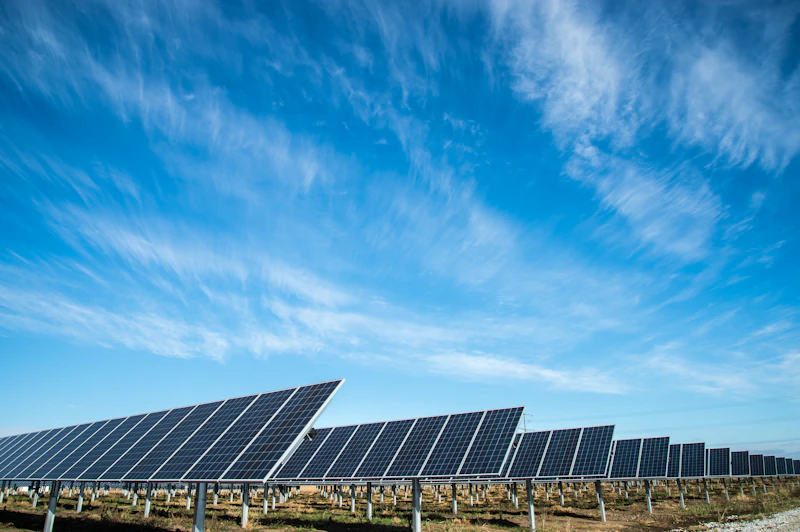
Solar Photovoltaics (PV) are the most common generation source in modern microgrids due to their modularity, declining costs, and low maintenance. In some regions, small-scale wind turbines or localized run-of-the-river hydro may be incorporated. To ensure reliability during extended cloudy or windless periods, microgrids often retain a dispatchable generation source, such as a fuel cell or a highly efficient natural gas generator, acting as a final backup.
Energy Storage Systems (ESS)
Because solar and wind are intermittent, energy storage is the linchpin of a renewable microgrid. Battery Energy Storage Systems (BESS), predominantly utilizing lithium-ion chemistry, absorb excess solar energy generated during midday and discharge it during peak evening demand or when the grid is down. The ESS also provides critical power quality services, smoothing out instantaneous fluctuations in renewable output to maintain grid stability.
The Microgrid Controller
This is the software-driven control system that orchestrates the entire operation. It continuously monitors weather forecasts, utility pricing signals, the State of Charge (SoC) of the batteries, and local load demands. Using complex optimization algorithms, the controller decides in real-time whether to store energy, consume it locally, or sell it to the main grid, maximizing both economic returns and resilience.
Empowering Remote and Vulnerable Communities
Beyond critical infrastructure in developed nations, microgrids are revolutionary for rural electrification in developing regions. According to the International Energy Agency (IEA), hundreds of millions of people globally still lack access to electricity, primarily in Sub-Saharan Africa and remote parts of Asia. Extending traditional high-voltage transmission lines to these sparse populations is often economically unfeasible.
Solar-plus-storage microgrids offer a "leapfrog" technology. Instead of waiting decades for central grid expansion, a remote village can construct an independent, sustainable energy system in a matter of weeks. This localized power transforms communities by enabling clean water pumping, vaccine refrigeration, nighttime lighting for education, and power for small businesses, directly addressing multiple UN Sustainable Development Goals (SDGs).
Regulatory Hurdles and the Future
While the technology for advanced microgrids is mature, significant regulatory and economic barriers remain. Traditional utility business models are based on central generation and volumetric sales of electricity. The widespread adoption of microgrids, which effectively allow communities to generate and manage their own power, challenges this monopoly structure.
In many jurisdictions, regulations dictate who can generate, distribute, and sell electricity across public rights-of-way. Clarifying these rules, establishing fair tariffs for the grid services that microgrids provide (like frequency regulation and demand reduction), and developing standardized interconnection protocols are essential steps. As policy catches up with technology, microgrids will play a foundational role in building a more resilient, democratic, and decarbonized energy future.